Comparing Biocide Types for Mould Remediation Efficacy
Table Of Contents
Environmental Impact of Biocide Use
The use of biocides in mould remediation presents various environmental concerns that require careful consideration. Many biocidal agents can contaminate water sources and soil, potentially harming non-target organisms, including beneficial microbes and plants. These substances may persist in the environment, leading to long-term ecological impacts. Therefore, understanding the fate of these chemicals post-application is crucial for assessing their environmental footprint.
Additionally, the potential for biocide resistance emerges as a significant issue. Repeated use of the same chemical agents can lead to the development of resistant mould strains, complicating future remediation efforts. This resistance not only diminishes the efficacy of treatments but may also necessitate the use of more potent, often more hazardous, alternatives. Consequently, the environmental implications of biocide usage extend beyond immediate effectiveness, highlighting the need for sustainable practices in mould management.
Assessing the Safety of Chemical Biocides
Chemical biocides, while effective in controlling mould growth, can pose risks to human health and the environment. Various studies highlight the potential for acute and chronic toxic effects resulting from exposure. These substances may irritate skin, eyes, and respiratory pathways, particularly in sensitive populations such as children, the elderly, or those with pre-existing health conditions. It is crucial to assess these risks in the context of the intended use, ensuring that any application adheres strictly to manufacturer guidelines and safety protocols.
A comprehensive safety assessment includes evaluating the potential for environmental contamination. Chemical residues may leach into soil or water systems, affecting ecosystems and biodiversity. Understanding the persistence and degradation rates of biocides is vital. Regulatory bodies often provide safety data sheets that outline the necessary precautions for handling and disposal. Resources such as these can assist in minimising risks associated with usage, ensuring both human safety and environmental protection.
Efficacy of Biocides in Different Environments
The efficacy of biocides can vary significantly between different environments. In indoor settings, where humidity and temperature are more controlled, certain biocides, such as quaternary ammonium compounds, may perform effectively against mould growth. These environments often favour the proliferation of mould due to limited ventilation. Conversely, outdoor environments present a myriad of conditions, including exposure to UV light and varying moisture levels, which can diminish the effectiveness of certain biocides.
Temperature fluctuations and unpredictable weather patterns also impact biocide performance outdoors. Natural organisms and environmental factors can interfere with the action of biocides, leading to reduced efficacy in open spaces. Some biocides are specifically formulated for outdoor use to combat mould in harsher conditions, whereas others may lose potency when exposed to direct sunlight or heavy rainfall. Selecting the appropriate biocide for the specific environment is essential for achieving optimal mould remediation results.
Indoor vs. Outdoor Mould Remediation
Mould growth poses a significant concern in both indoor and outdoor environments, yet the factors influencing efficacy vary greatly. Indoor spaces often provide a controlled atmosphere with limited airflow and higher humidity levels, creating an ideal breeding ground for mould. Contaminants can become trapped in these enclosed areas, necessitating thorough interventions. In these settings, biocides targeting mould spores must penetrate materials effectively to ensure complete remediation.
Outdoor environments present their own challenges owing to exposure to natural elements. Mould can proliferate on diverse surfaces such as wood, concrete, and soil, each requiring tailored approaches for successful treatment. Factors like temperature, sunlight, and moisture play a crucial role in the effectiveness of biocides outdoors. Additionally, the presence of other organisms in these ecosystems can affect the efficacy of mould remediation strategies. Adapting the application methods and choosing the right biocide type become paramount to achieve optimal results in varied outdoor scenarios.
Application Methods for Biocides
Effective mould remediation relies heavily on the proper application methods for biocides. Techniques vary widely depending on the type of biocide used and the environment in which it is applied. Liquid biocides can be distributed through spraying, wiping, or soaking surfaces. Each method has its advantages; for instance, spraying allows for broad coverage, while wiping is more controlled and precise. The choice of method should consider the surface material, the extent of mould contamination, and the potential for off-site impact on non-target organisms.
In contrast, gaseous biocides require different approaches for effective application. Fumigation is a common method used in confined spaces, effectively penetrating porous materials and hard-to-reach areas. Maintaining the appropriate concentration of gas and exposure time is critical to ensure all mould spores are eradicated. Additionally, encapsulation techniques are emerging as a method to combine biocide application with the sealing of affected surfaces, providing a longer-lasting solution by preventing future mould growth.
Techniques for Effective Delivery
Effective delivery techniques play a crucial role in maximising the efficacy of biocides during mould remediation. Spraying is among the most common methods, enabling wide coverage and the ability to reach inaccessible areas in a space. This approach requires careful calibration to ensure optimal droplet size. Smaller droplets can increase penetration into porous materials, while larger droplets may result in run-off. The choice of nozzle can significantly influence how well the biocide adheres to surfaces, affecting the overall outcome of the remediation process.
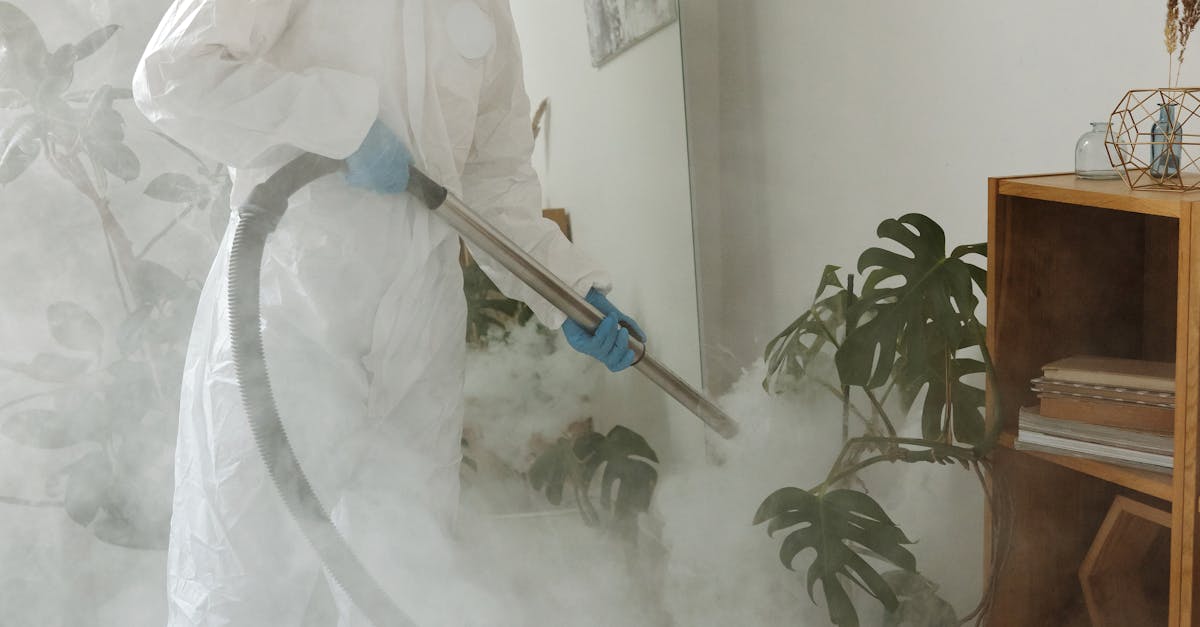
Another technique to consider is fogging, which entails using a fogging machine to create a fine mist of biocide. This method allows for uniform distribution throughout the treated area, including complex structures like HVAC systems where mould often thrives. The temperature and humidity conditions should be monitored closely during fogging to enhance effectiveness. Incorporating direct application to high-activity mould areas, such as behind furniture or in corners, can further boost treatment success. Combining different delivery methods may offer a comprehensive approach for achieving optimal mould removal.
FAQS
What are biocides and how do they work for mould remediation?
Biocides are chemical substances that can kill or inhibit the growth of harmful organisms, including mould. They work by targeting the cellular processes of these organisms, disrupting their ability to reproduce and thrive in various environments.
Are chemical biocides safe to use indoors?
The safety of chemical biocides for indoor use depends on the specific product and its ingredients. It’s essential to follow the manufacturer's guidelines, ensure proper ventilation during application, and use protective gear to minimise exposure.
How do different biocides perform in varying environments?
The efficacy of biocides can vary significantly between indoor and outdoor environments due to factors like humidity, temperature, and exposure to sunlight. Some biocides may be more effective in controlled indoor settings, while others may thrive outdoors.
What application methods are recommended for biocide use?
Effective application methods for biocides include spraying, fogging, and applying as a coating or solution. The choice of method depends on the area being treated and the type of biocide used, ensuring thorough coverage for optimal results.
Can biocides have an environmental impact?
Yes, the use of biocides can have environmental impacts, such as affecting non-target organisms and contributing to chemical runoff. It's important to select biocides that are designed to minimise ecological harm and to use them responsibly according to best practices.
Related Links
Evaluating the Effectiveness of Biocides in Indoor EnvironmentsStep-by-Step Guide to Biocide Application in Homes
Biocide Application Techniques for Different Surface Types
Common Mistakes in Biocide Application for Mould
The Role of Biocides in Preventing Mould Recurrence
Safety Protocols During Biocide Application for Mould Removal
Environmental Considerations When Using Biocides for Mould
Selection Criteria for Effective Biocides in Mould Control
Best Practices for Biocide Application in Mould Remediation