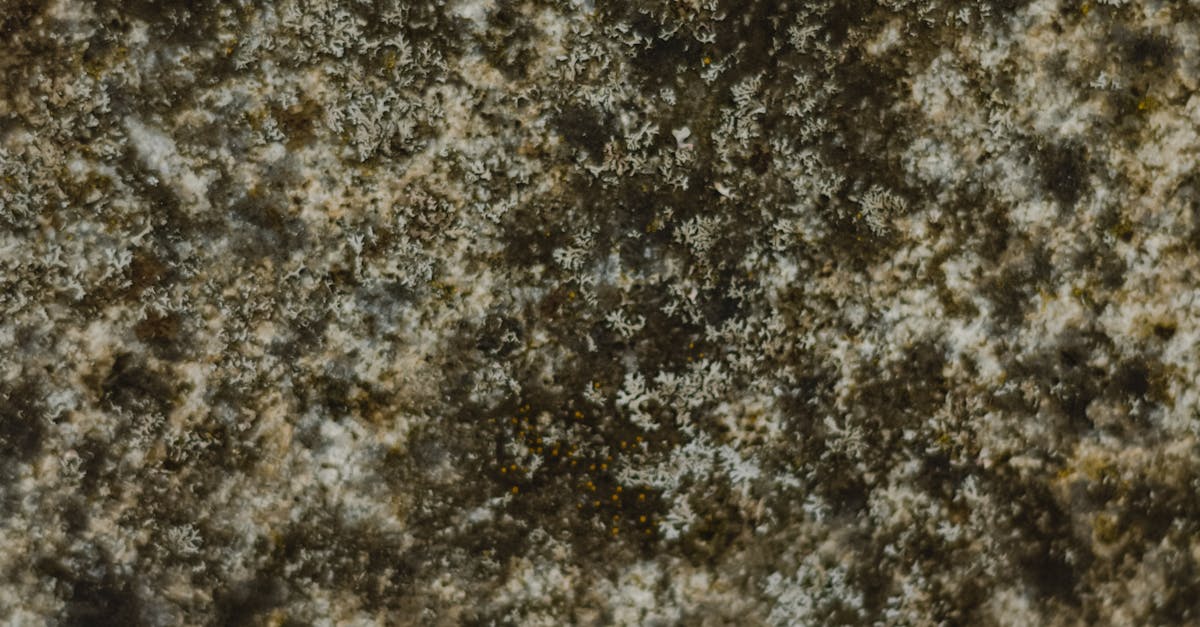
Mould-Induced Asthma: Understanding the Long-term Consequences
Table Of Contents
Long-term Health Consequences
Exposure to mould can lead to various chronic respiratory issues, including asthma that persists well beyond the initial trigger. The presence of mycotoxins may damage lung tissue over time, resulting in decreased lung function. People with mould-induced asthma may experience increased frequency and severity of asthma attacks. Long-term exposure can exacerbate pre-existing conditions, leading to further health complications.
Additionally, psychological effects may arise as individuals cope with persistent respiratory issues. Anxiety and depression can develop as the daily struggle with asthma impacts quality of life. This compound effect on both physical and mental health underlines the importance of addressing mould exposure early to mitigate lasting damage. Regular monitoring and management become essential for those suffering from these long-term consequences.
Potential Impacts on Lung Function
Mould exposure can lead to significant long-term effects on lung function, particularly for individuals with asthma. When mould spores are inhaled, they can cause inflammation and irritation in the airways, resulting in chronic respiratory issues. Over time, repeated exposure may exacerbate these symptoms, potentially leading to irreversible changes in lung structure and function. This deterioration can manifest as decreased lung capacity, reduced airflow, and increased difficulty in breathing, making everyday activities significantly harder for those affected.
Individuals with mould-induced asthma may experience an increase in symptomatic episodes, which can further compromise lung health. The inflammatory response triggered by mould can lead to a heightened state of bronchial hyperreactivity, making the airways more sensitive to various irritants and allergens. This ongoing cycle of inflammation and reactive airway disease can cause further complications, such as the development of other respiratory conditions or the exacerbation of existing pulmonary diseases. In severe cases, this can contribute to long-lasting impairments in quality of life and overall health.
Treatment Options for Mould-Induced Asthma
Managing mould-induced asthma often involves a multi-faceted approach centred on relieving symptoms and addressing underlying causes. Medical treatments typically include bronchodilators which help open airways, antihistamines to alleviate allergic reactions, and corticosteroids to reduce inflammation within the lungs. In more severe cases, healthcare professionals may recommend immunotherapy to gradually desensitise the patient to mould allergens. Regular consultations with a respiratory specialist can help tailor treatment plans according to individual needs and responses.
In addition to medical options, there are various home remedies that may assist in managing symptoms. Saline nasal sprays can help clear nasal passages, while steam inhalation may provide temporary relief from congestion. Ensuring proper hydration is essential, as staying well-hydrated can thin mucus and ease breathing difficulties. Patients often find that maintaining a clean indoor environment, using air purifiers, and employing dehumidifiers can significantly contribute to symptom management by reducing mould presence and improving overall air quality.
Medical and Home Remedies
A range of medical treatments is available for those diagnosed with mould-induced asthma. Inhaled corticosteroids are commonly prescribed to reduce inflammation in the airways and improve breathing. Long-acting beta-agonists may also be used in conjunction with inhalers to provide additional relief. For some patients, oral medications may be necessary to manage symptoms effectively. Regular check-ups with a healthcare provider are crucial to monitor lung function and adjust treatment plans accordingly.
In addition to medical interventions, several home remedies can aid in managing symptoms. Keeping indoor air clean and well-ventilated helps reduce mould spores, which can trigger asthma attacks. Using air purifiers equipped with HEPA filters can filter out allergens and improve indoor air quality. Some individuals find relief in steam inhalation or saline nasal sprays, which help ease nasal congestion. Maintaining a tidy living space and promptly addressing any water leaks can prevent mould growth and further support respiratory health.
Preventing Mould Exposure
Prevention begins with controlling moisture levels in the home. Ensuring proper ventilation in bathrooms, kitchens, and laundry areas is essential. Using exhaust fans can significantly reduce humidity. Regularly inspecting areas prone to dampness, such as basements and attics, helps catch potential mould problems early. Additionally, fixing leaks in pipes or roofs prevents excess moisture from accumulating.
Homeowners should also consider the materials used in their living spaces. Opting for mould-resistant paint and building materials can provide an extra layer of protection. Keeping indoor plants to a minimum and ensuring adequate air circulation around them reduces the risk of mould growth. Regular cleaning of surfaces, especially in humid conditions, further contributes to a mould-free environment.
Effective Strategies for Mould Prevention
Keeping indoor humidity levels below 60% is essential for mould prevention. Utilising dehumidifiers in damp spaces like basements can significantly reduce moisture. Regular ventilation is equally important, particularly in kitchens and bathrooms where steam often accumulates. Open windows when weather permits and consider exhaust fans to help circulate air and minimise humidity.
Regular maintenance of plumbing and roofing is crucial to prevent leaks that can contribute to mould growth. Inspect areas prone to dampness such as around windows and pipes, as well as under sinks. Immediate attention to any signs of water damage can prevent mould development. Additionally, using mould-resistant products when renovating or cleaning can further protect your home from mould infestations.
FAQS
What is mould-induced asthma?
Mould-induced asthma is a type of asthma triggered by exposure to mould spores in the environment. This can lead to inflammation and irritation in the airways, resulting in asthma symptoms.
What are the long-term health consequences of mould-induced asthma?
Long-term exposure to mould can lead to chronic respiratory issues, reduced lung function, and an increased risk of developing other respiratory diseases. It can also exacerbate other conditions like allergies and sinusitis.
How can mould exposure affect lung function?
Chronic exposure to mould can cause lasting damage to the lungs, leading to decreased lung capacity, persistent coughing, wheezing, and difficulty breathing, which can significantly impair overall lung function.
What treatment options are available for mould-induced asthma?
Treatment options may include prescription medications such as inhaled corticosteroids and bronchodilators, as well as home remedies like using air purifiers and maintaining low humidity levels to reduce mould growth.
What are some effective strategies for preventing mould exposure?
Effective strategies include controlling indoor humidity, ensuring proper ventilation, promptly addressing water leaks, and regularly cleaning areas prone to mould growth, such as bathrooms and kitchens.
Related Links
Cognitive Impairment Associated with Mould ToxicityThe Connection Between Mould and Chronic Fatigue Syndrome
The Role of Mould in Developing Sinusitis Long-term
Evaluating Cardiovascular Risks Due to Prolonged Mould Exposure
Mould and its Relation to Autoimmune Disorders
The Impact of Mould on Skin Conditions Over Time