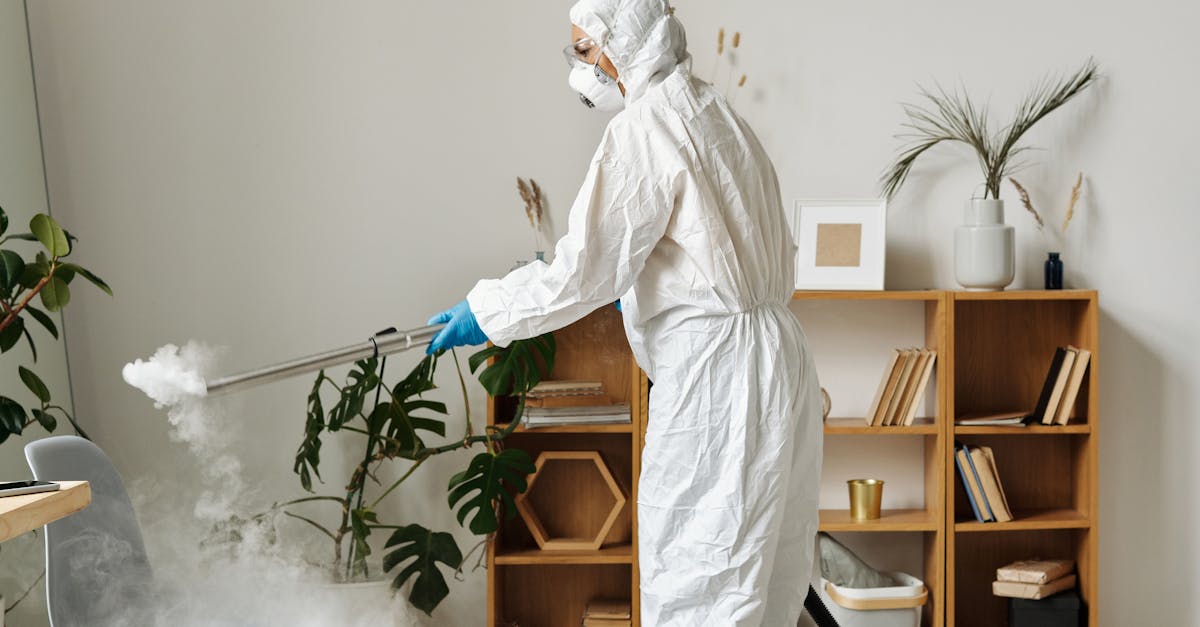
Safe Removal of Mouldy Materials through Controlled Demolition
Table Of Contents
Step-by-Step Process of Controlled Demolition
The initial phase involves thorough inspection and assessment of the area affected by mould. Identifying the extent of contamination is critical for determining the appropriate methods and equipment required for safe removal. Wearing personal protective equipment (PPE) is essential during this process. Once the assessment is complete, the planning stage begins, which includes developing a detailed strategy that outlines the sequence of actions for demolition.
Demolition starts with sealing off the work area to prevent spores from spreading. Negative air pressure may be established to further contain any potential contaminants. After securing the area, the removal of mould-infested materials is executed carefully, ensuring no residual spores remain. Utilising specialised tools helps minimise damage to surrounding structures. Once the materials are dismantled, the debris is prepared for disposal.
Detailed Approach to Removing Mouldy Materials
Before undertaking the removal of mouldy materials, thorough preparation is crucial. This involves assessing the extent of the mould contamination and identifying materials that need to be removed, such as drywall, carpeting, and insulation. Personal protective equipment (PPE) is essential during this process. Workers should wear gloves, masks, and goggles to protect against spores and allergens. Additionally, sealing off the work area prevents mould spores from spreading throughout the building. Dehumidifiers may also be employed to manage moisture levels during the removal process.
Once the area is prepared and sealed, the actual removal can begin. Using appropriate tools, such as mould removal sprays or biocides, assists in treating the affected materials. For porous materials like drywall, complete removal may be necessary, as spores can penetrate deeply. When dealing with non-porous surfaces, applying a cleaning solution can typically suffice. After the mouldy materials are removed, cleaning and disinfecting the surrounding surfaces thoroughly is essential to eliminate residual spores. This step helps ensure that the area is safe and significantly reduces the risk of future mould growth.
Proper Disposal of Mouldy Materials
Disposing of mouldy materials requires careful consideration to mitigate health risks and environmental impacts. It is crucial to adhere to local regulations regarding hazardous waste disposal. Many regions have specific guidelines for the removal and disposal of mould-infested materials. Engaging with licensed waste disposal companies can assist in ensuring compliance and safe handling, as they are equipped to address hazardous materials and have knowledge of proper protocols.
When preparing mouldy items for disposal, prevention of spore spreading should be a key focus. Sealing materials in plastic bags or containers reduces the risk of contamination in other areas. Labeling bags appropriately further aids in informing waste handlers of the contents. This attention to detail not only protects individuals involved in disposal but also the environment from unintended exposure to mould spores.
Guidelines for Safe and Environmentally Friendly Disposal
Disposing of mouldy materials requires careful consideration to protect both public health and the environment. It is essential to seal contaminated materials in heavy-duty plastic bags before removal. This step helps to contain spores and prevents them from spreading during transport. Local regulations may dictate specific waste disposal methods, highlighting the importance of consulting relevant guidelines. Always ensure that waste is transported in a secure manner to an approved landfill site designated for hazardous or contaminated materials.
Recycling options may not be available for mould-infested materials, yet it is crucial to explore alternative solutions. Consider engaging local waste management services that offer environmentally responsible disposal methods. They can provide advice on how to manage disposal in a way that minimises environmental impact. Keep in mind that proper documentation of the disposal process may be required, ensuring accountability and compliance with health and safety regulations.
Post-Demolition Cleaning
After the demolition process, it is crucial to undertake a thorough cleaning to ensure the area is free from any remaining mould spores and debris. This involves using appropriate cleaning solutions that can effectively eliminate any traces of mould. High-efficiency particulate air (HEPA) vacuums are beneficial for capturing fine particles. Surface cleaning with damp cloths can also help prevent mould spores from becoming airborne.
Ventilation plays an important role in post-demolition cleaning. Opening windows and using fans can help circulate air, reducing humidity levels that favour mould growth. Disinfectants may be applied to surfaces that were previously mould infested. Adequate personal protective equipment should be worn during this process to safeguard against any potential exposure to mould and cleaning chemicals. This comprehensive approach aids in restoring the environment to a safe condition.
Ensuring a Mould-Free Environment After Removal
After the removal of mouldy materials, it is crucial to conduct a thorough cleaning of the affected area. This involves not only sanitising surfaces with appropriate mould-killing solutions but also ventilating the space to allow any residual moisture to evaporate. High-efficiency particulate air (HEPA) vacuums can be used to eliminate any remaining spores from surfaces, ensuring that the environment is as free from mould as possible. Attention should be given to hidden areas such as behind walls, beneath floors and within any crevices where mould might persist.
Preventative measures should also be established to inhibit future mould growth. Controlling humidity levels through dehumidifiers can promote a drier environment that is less conducive to mould development. Regular inspections should be scheduled to identify any signs of moisture intrusion or water damage immediately. Homeowners are encouraged to maintain good ventilation throughout their living spaces and promptly address any leaks or dampness to keep mould at bay.
FAQS
What is controlled demolition in the context of mould removal?
Controlled demolition refers to the systematic and careful removal of mould-infested materials to minimise the spread of mould spores and ensure safety during the process.
How can I identify mouldy materials that need to be removed?
Mouldy materials often appear discoloured, may have a musty smell, and can feel damp or decayed. It's essential to conduct a thorough inspection of affected areas, looking for visible signs of mould growth.
What are the safety precautions to take during the removal of mouldy materials?
Safety precautions include wearing protective gear such as masks, goggles, and gloves, ensuring proper ventilation in the work area, and sealing off the area to prevent mould spores from spreading to other parts of the building.
How should mouldy materials be disposed of after removal?
Mouldy materials should be placed in sealed plastic bags or containers and disposed of in accordance with local regulations, ensuring that they are taken to a landfill designed for hazardous waste.
What steps can be taken to ensure a mould-free environment after demolition?
Post-demolition cleaning should involve thorough cleaning and sanitisation of the area, using mould-killing solutions and ensuring that any moisture issues are addressed to prevent future mould growth.
Related Links
Optimal Strategies for Ceiling and Wall Mould RemovalThermal Imaging for Locating Hidden Mould Infestations
The Importance of Protective Gear in Physical Mould Removal
Assessing the Efficacy of Steam Cleaning in Mould Mitigation
Innovations in Physical Mould Removal Equipment and Tools
Implementing Sanding Techniques to Eliminate Surface Mould
Understanding the Benefits of Pressure Washing for Mould Removal
The Role of Manual Scrubbing in Physical Mould Removal