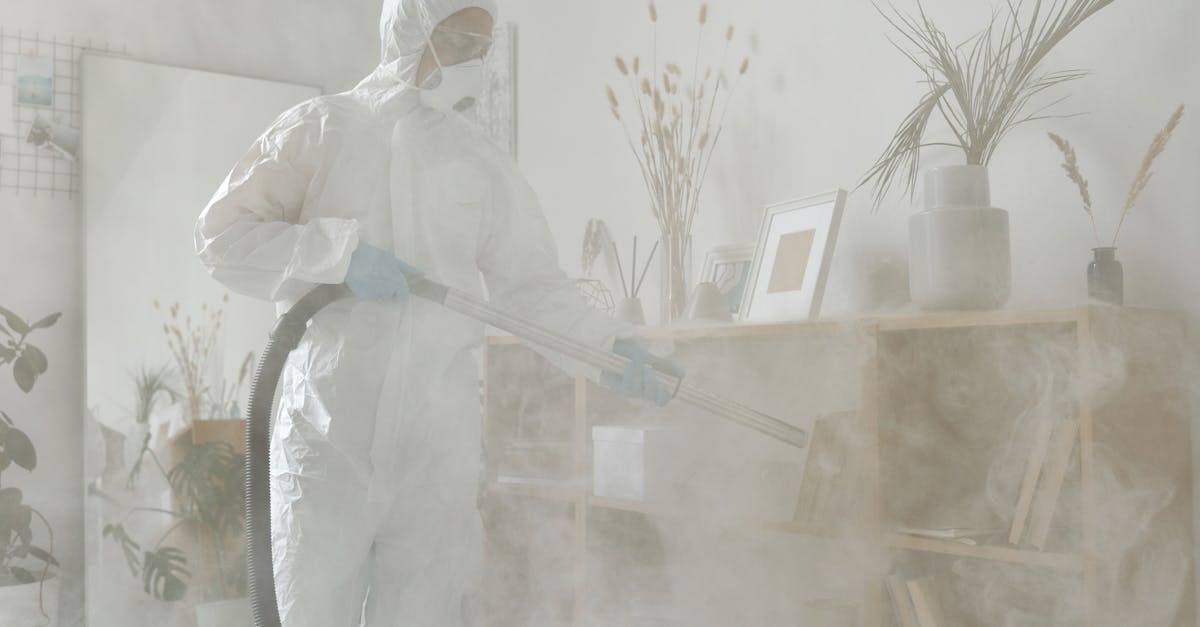
Strategies for Managing Mental Stress Related to Mould Infestations
Table Of Contents
Building a Support Network
Creating connections with friends, family, and professionals is essential when navigating the stress related to mould infestations. Genuine support can come from those who have faced similar challenges or from individuals willing to listen and empathise. A well-rounded support network often includes various perspectives, enabling individuals to gain insights and reassurance. Joining local community groups or online forums can also help foster relationships with others in similar situations.
In some cases, engaging with professionals like therapists or support groups can provide additional benefits. These experts offer coping strategies and guidance tailored to personal experiences, helping one better manage stress. Regularly reaching out and maintaining open lines of communication within this network cultivates a sense of belonging and reduces feelings of isolation.
The Importance of Open Communication
Establishing open lines of communication is crucial when dealing with stress related to mould infestations. Sharing experiences and feelings with family, friends or support groups can create a sense of understanding and relief. It is important to express concerns without fear of judgement. Engaging in discussions can also lead to the sharing of practical solutions and helpful resources that may alleviate some of the burdens one may be experiencing.
Encouraging conversations about mental health in the context of mould problems helps destigmatise feelings of anxiety and fear. Whether through formal counselling or casual chats with trusted individuals, the act of voicing worries contributes to reducing isolation. By fostering an environment where discussions are welcomed, individuals feel more empowered to seek help and explore strategies for managing their stress effectively.
Mindfulness and Relaxation Techniques
Incorporating mindfulness into daily routines can significantly reduce stress linked to mould infestations. Simple practices like deep breathing, meditation, or even engaging with nature can foster a sense of calm. Taking a few moments to focus on one's breath helps ground thoughts and create mental clarity. Engaging in activities like yoga or tai chi promotes both physical and emotional well-being, allowing individuals to release built-up tension.
Relaxation techniques such as progressive muscle relaxation or guided imagery can also be beneficial. These methods encourage the body to unwind and relieve the physical manifestations of stress. Listening to calming music or utilising aromatherapy can enhance the relaxation experience, making it easier to disconnect from stressful thoughts surrounding mould. Emphasising self-care through these techniques cultivates resilience against stressors and fosters a healthier mindset.
Incorporating Mindfulness into Daily Routines
Engaging in mindfulness can seamlessly blend into everyday activities. Simple practices, such as mindful eating or focused breathing exercises, can help maintain a sense of presence and reduce anxiety. Rather than rushing through meals, taking the time to taste and enjoy food can enhance appreciation while providing a moment's respite from stress. Additionally, setting aside a few minutes daily to focus on breathing can ground the mind and promote relaxation, especially when facing mould-related concerns.
Incorporating mindfulness into routines can also involve moments of stillness amidst busyness. Engaging with nature during a walk can provide a refreshing distraction from stressors, encouraging individuals to observe their surroundings and connect with the environment. Gratitude journaling is another effective practice that not only fosters positivity but also helps to shift perspective away from negative thoughts associated with mould infestations. By embedding these practices within daily life, individuals can create a supportive framework to manage stress effectively.
Establishing Healthy Boundaries
Boundaries play a vital role in maintaining mental well-being, especially in stressful situations like dealing with mould infestations. Establishing clear limits can help individuals manage their emotional responses and provide a sense of control. For example, setting specific times for addressing mould-related tasks can prevent these responsibilities from overwhelming daily life. This approach not only reduces stress but also allows for more focused decision-making when tackling issues related to the infestation.
Self-care is essential when navigating the challenges posed by mould in one’s environment. Individuals should prioritise their mental and physical health by carving out time for relaxation and enjoyment. Balancing household responsibilities with personal well-being creates a healthier atmosphere. Engaging in activities that bring joy fosters resilience against stress, allowing for better coping mechanisms when facing the complications that come with mould issues.
Balancing Responsibilities and Self-Care
Managing various responsibilities can become overwhelming, particularly when dealing with the stress caused by mould infestations. Organisation plays a crucial role in maintaining control over tasks. Creating a detailed schedule can help prioritise essential duties while allowing dedicated time for relaxation and self-care. Break larger projects into manageable tasks to prevent feelings of being swamped. The use of checklists can offer a sense of accomplishment as tasks are completed.
Self-care must be a priority amid competing demands. Taking short breaks throughout the day ensures rejuvenation and helps to maintain focus. Engaging in activities that bring joy or relaxation, such as reading or gardening, can significantly alleviate stress levels. Regularly assessing personal needs and allocating time for oneself is essential for sustaining overall wellbeing. Balancing these aspects will not only enhance productivity but also contribute to mental resilience during challenging situations.
FAQS
What are some effective ways to build a support network when dealing with mould infestations?
Building a support network can involve reaching out to friends, family, and local community groups who can provide emotional support and practical assistance. Joining online forums or support groups specifically for those dealing with mould issues can also be beneficial.
How can open communication help in managing mental stress related to mould infestations?
Open communication allows individuals to express their concerns, share experiences, and seek advice. It can also help to alleviate feelings of isolation and anxiety by fostering a sense of understanding and community.
What mindfulness techniques can I incorporate to manage stress from mould infestations?
Mindfulness techniques such as deep breathing exercises, meditation, and progressive muscle relaxation can help manage stress. Incorporating mindful activities, like yoga or nature walks, can also enhance well-being.
How can I incorporate mindfulness into my daily routine while managing mould stress?
You can incorporate mindfulness by setting aside a few minutes each day for meditation, practicing mindful eating, or taking short breaks to focus on your breath. Engaging in activities that promote presence, such as journaling or art, can also be effective.
Why is establishing healthy boundaries important in managing stress related to mould infestations?
Establishing healthy boundaries helps protect your mental and emotional well-being by allowing you to prioritise self-care. It can prevent feelings of overwhelm and ensure that you make time for personal needs amidst the challenges of dealing with mould issues.
Related Links
Exploring the Connection Between Mould and Sleep DisturbancesThe Relationship Between Mould Exposure and Depression Rates
The Influence of Mould on Children’s Emotional Well-being
Assessing Mental Health Support for Mould-Affected Individuals
Community Mental Health Impacts of Widespread Mould Issues