The Overlooked Health Hazards of Mould for Low-Income Families in Gold Coast
Table Of Contents
Remediation Options for Mould Problems
Addressing mould problems requires a range of remediation options tailored to the severity of the issue. For minor cases, homeowners can often take preventative measures. Regularly ventilating rooms, particularly those prone to dampness like bathrooms and kitchens, helps reduce moisture levels. Using a dehumidifier or air purifier can further assist in maintaining a dry environment. For visible mould growth, cleaning with a mixture of detergent and water or specialised mould removers is effective.
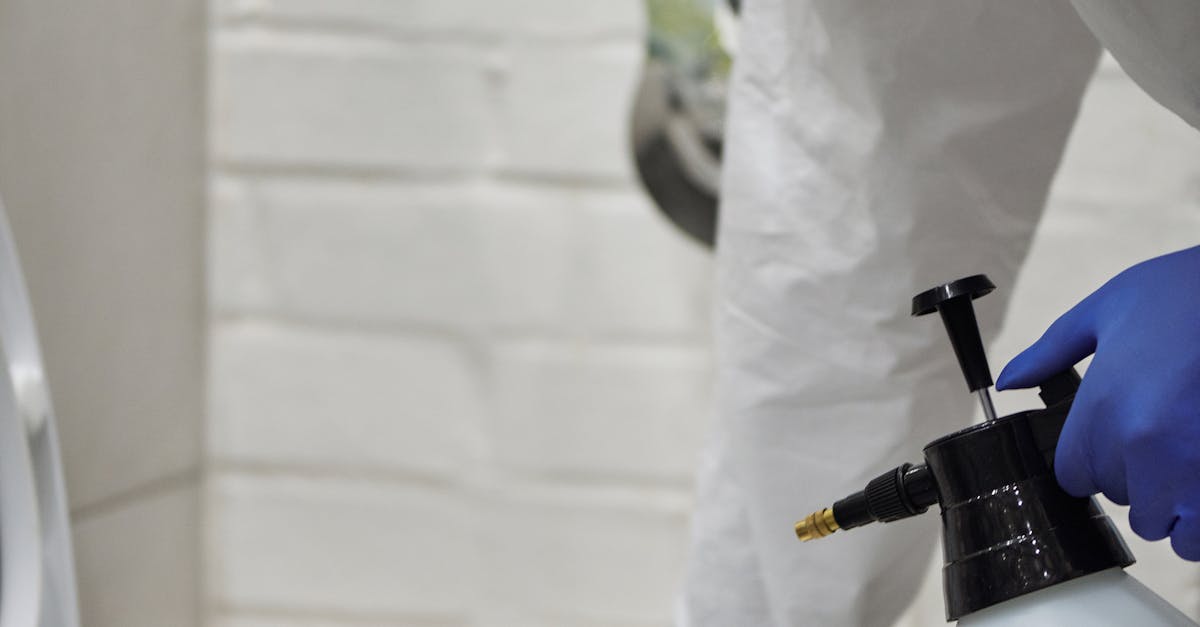
In instances where mould infestations are extensive, professional intervention may be necessary. Specialists assess the situation, identifying moisture sources and damage extent. They also provide comprehensive cleaning and restoration services, ensuring that the mould does not return. It’s crucial for families to weigh the cost of professional help against potential health risks, emphasising the need for appropriate remediation strategies that safeguard well-being.
DIY Methods to Remove Mould Safely
Mould can often be tackled using household items that may already be on hand. A mixture of vinegar and water is effective for treating surfaces. Simply spray the solution onto the mould and allow it to sit for at least an hour before wiping it clean with a cloth. Baking soda is another useful option, which not only helps remove mould but also absorbs moisture. To utilise this method, mix baking soda with water to create a paste, apply it to the affected area, and scrub until the mould is removed.
Safety is an important consideration while dealing with mould. Wearing protective gear such as gloves and a mask is vital, as exposure to mould spores can cause health issues. Ensure the area is well-ventilated during the cleaning process, which can reduce the risk of inhaling harmful particles. After removing mould, it's essential to address the source of moisture to prevent recurrence. Regular checks for leaks or condensation can support long-term mould-free living environments.
The Role of Landlords in Mould Issues
Landlords have a crucial role in addressing mould issues within their properties. To maintain a safe living environment, they must ensure that the buildings meet health and safety standards. This includes regularly inspecting premises for dampness or leaks and responding promptly to tenant complaints about mould. Ignoring these responsibilities can lead to worsening conditions that may impact the health of occupants, particularly vulnerable families.
In many cases, landlords are legally bound to manage mould effectively. For instance, they should provide information on how tenants can prevent mould growth, such as proper ventilation and moisture control practices. Failing to take action not only jeopardises tenant health but may also lead to costly litigation for property owners. Open communication between landlords and tenants is essential in finding effective solutions to mould problems and fostering a safe living environment.
Responsibilities for Mould Management
In rental properties, landlords bear a legal and moral obligation to provide a safe living environment. This includes addressing mould issues effectively. They must ensure properties are free from significant defects that may lead to hazardous conditions, including mould growth. Regular inspections and maintenance help identify potential problems before they escalate. By taking proactive measures, landlords can protect their tenants’ health and well-being.
Tenants also share responsibility in managing mould. Open communication is essential; informing landlords promptly about any signs of mould enables timely action. Regular cleaning and ventilation within the property play a critical role in preventing mould development. Families can do their part by maintaining a clean environment and addressing moisture issues quickly. This collaborative approach between tenants and landlords creates a healthier living space and fosters better relationships.
Community Resources for Mould Assistance
Local community organisations play a vital role in providing support to families dealing with mould issues. Many non-profits offer educational programs that inform residents about mould identification and removal. These resources can empower families to manage minor mould problems independently while emphasising safety precautions. Workshops and distribution of materials on mould prevention are often available for households in need.
Local government initiatives also focus on supporting vulnerable communities. Some councils offer financial assistance for mould remediation services. They may provide contact information for certified professionals who can help identify and rectify mould infestations. These services ensure families have access to the necessary tools and knowledge to combat mould effectively, thus improving their living conditions.
Local Services Available to Help Families
Several organisations in the Gold Coast provide services aimed at helping families address mould issues. Local health departments often offer resources and educational materials focused on mould prevention and indoor air quality. Community health initiatives may also organise workshops to teach residents about safe mould removal techniques and the importance of maintaining a healthy living environment.
Non-profit organisations can offer financial assistance or connect families with affordable contractors for mould remediation. Additionally, some local councils have programs that include inspections and recommendations to ensure that rental properties meet health standards. Accessing these services can significantly alleviate the stress and financial burden associated with mould-related problems.
FAQS
What are the health hazards associated with mould exposure?
Mould exposure can lead to a range of health issues, including respiratory problems, allergies, and asthma. It can also affect those with weakened immune systems, causing more severe reactions.
How can low-income families safely remove mould from their homes?
Low-income families can use DIY methods such as vinegar, baking soda, and soap to remove mould safely. It's important to wear protective gear like gloves and masks while cleaning.
What responsibilities do landlords have regarding mould management?
Landlords are responsible for maintaining safe and habitable living conditions, which includes addressing mould issues promptly. They must ensure proper ventilation and repair any leaks that could contribute to mould growth.
Are there community resources available for families dealing with mould problems?
Yes, there are local services and community organisations that provide assistance for mould issues, including education on prevention, financial assistance for remediation, and health services for affected individuals.
What should I do if I find mould in my rental property?
If you find mould, notify your landlord immediately and document the issue. If the landlord does not respond effectively, you may need to contact local health authorities or legal aid for further assistance.
Related Links
How Mould-Induced Stress Affects Mental Health in Vulnerable GroupsMould Exposure and Its Consequences for Individuals with Respiratory Conditions
The Role of Mould in Exacerbating Skin Conditions for Sensitive Populations
Mould Sensitivity in People with Chronic Illnesses: What You Need to Know
Assessing the Health Risks of Mould for Asthma Sufferers in Gold Coast
The Vulnerability of Immunocompromised Individuals to Mould Infections
Understanding the Risks of Mould for Pregnant Women in Gold Coast
The Impact of Mould Exposure on Children’s Health in Gold Coast
Mould Allergies and Their Effects on Elderly Residents in Gold Coast