Understanding the Role of Surfactants in Mould Treatment
Table Of Contents
Application Methods of Surfactants in Mould Treatment
Surfactants play a pivotal role in mould treatment by reducing surface tension, which facilitates better penetration of cleaning solutions into porous materials. When applied, these agents help to dislodge mould spores from surfaces, aiding in their removal. Various methods including spraying, brushing, and soaking can enhance their effectiveness. The choice of application method often depends on the extent of the mould infestation and the type of surface being treated.
In addition to their direct application, surfactants can be integrated into biocidal treatments to enhance their efficacy. This combination allows for a more thorough eradication of mould, particularly in hard-to-reach areas. Care must be taken to follow guidelines specific to the type of surfactant used, ensuring optimal contact time for maximum impact. Overall, proper application methods are key to successful mould remediation.
Techniques for Effective Use
Applying surfactants effectively requires precise techniques to ensure maximum mould removal. Surface preparation plays a critical role in this process. Areas affected by mould must be thoroughly cleaned to remove any dirt or contaminants. Once the surface is prepped, surfactants can be applied using various methods such as spraying, brushing, or soaking. Each method offers distinct advantages. Spraying can cover large areas quickly, while brushing allows for a more detailed application in hard-to-reach spots.
Dilution ratios should be adhered to according to manufacturer guidelines to maintain the effectiveness of the surfactant. It's essential to allow adequate dwell time for the surfactant to penetrate the mould and loosen its grip on surfaces. This step should not be rushed, as proper penetration can significantly enhance the overall results. Regular monitoring of the treated areas helps in assessing the effectiveness of the treatment, enabling timely reapplication if necessary.
Environmental Considerations of Surfactants
Surfactants can have varying effects on the environment, depending on their chemical composition and usage. Traditional surfactants often pose risks to aquatic ecosystems as they may not biodegrade readily. In excessive concentrations, these compounds can cause toxicity to marine life. Consequently, it is essential to balance the efficacy of surfactants in mould treatment with their potential environmental impact. Understanding the life cycle of these chemicals is crucial for minimising harm and ensuring that applications are responsible.
The trend towards eco-friendly alternatives has gained momentum in recent years. Biodegradable surfactants are becoming more popular as they can break down into harmless byproducts. These are derived from renewable resources, making them preferable in many mould treatment scenarios. Additionally, using less harmful surfactants aligns with sustainable practices, promoting a healthier environment. The shift towards greener options not only addresses performance in mould removal but also harmonises with ecological conservation efforts.
Eco-Friendly Alternatives and Impact
Environmental concerns surrounding traditional surfactants have led to increased interest in eco-friendly alternatives for mould treatment. Plant-based surfactants, derived from renewable resources such as coconut oil or soybeans, offer biodegradable options that reduce the environmental footprint. These alternatives effectively remove mould while posing minimal risk to aquatic ecosystems. Additionally, they often contain fewer toxic chemicals, making them safer for indoor environments, especially in homes with children and pets.
The impact of using eco-friendly surfactants extends beyond mould removal. By choosing biodegradable products, consumers contribute to a more sustainable future, helping to minimise pollution and conserve natural resources. Increased demand for these alternatives encourages manufacturers to innovate and research further, promoting greener practices within the industry. Adoption of such products reflects a growing awareness of environmental sustainability, empowering individuals to take more responsible actions in maintaining their living spaces.
Safety Precautions When Using Surfactants
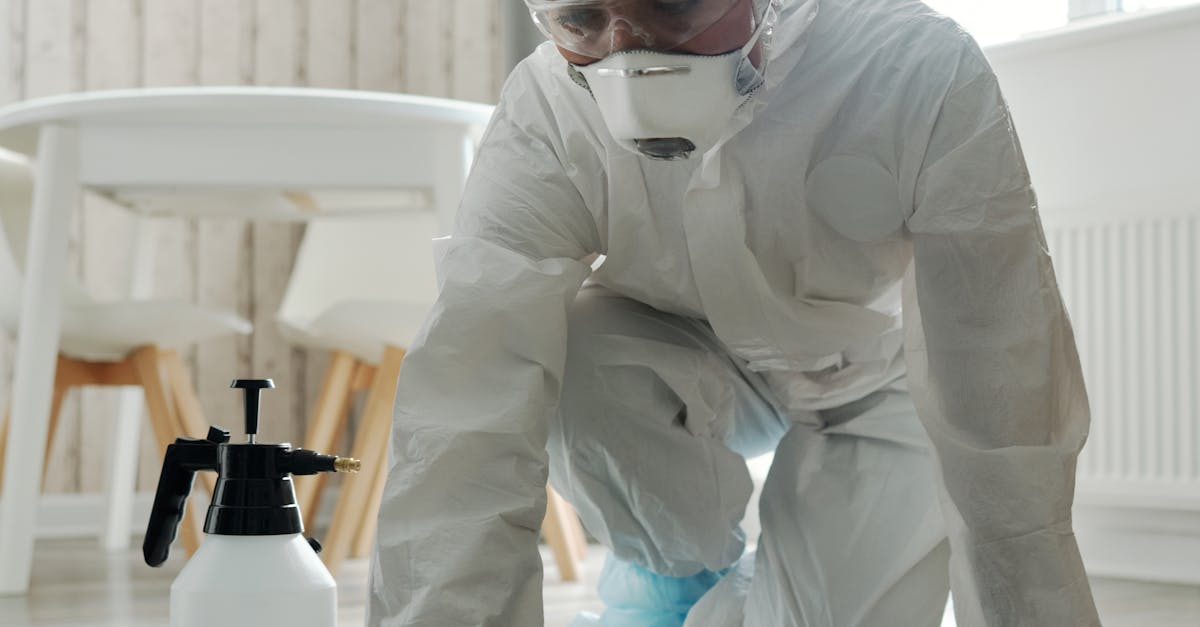
When working with surfactants, it is essential to consider safety measures to protect both personal health and the environment. Wearing appropriate personal protective equipment, such as gloves, goggles, and masks, significantly reduces exposure to harmful chemicals. Additionally, ensuring adequate ventilation in workspaces helps minimise inhalation risks. Proper labelling of all surfactant products and keeping safety data sheets on hand can provide vital information during emergencies.
Safe handling practices are crucial to prevent accidents and unintended reactions. Surfactants should be stored in clearly marked containers away from direct sunlight and moisture. It is advisable to follow manufacturer guidelines carefully to avoid mixing incompatible substances. In the event of spills, having a plan in place for immediate containment and cleanup can prevent further exposure and damage. Regular training for individuals who handle these chemicals reinforces awareness of potential hazards and promotes a safer working environment.
Handling and Storage Guidelines
When handling surfactants, it is essential to wear appropriate personal protective equipment (PPE) to minimise exposure. Gloves, goggles, and respiratory protection should be used, especially when working with concentrated formulations. It is also advisable to work in a well-ventilated area to prevent the accumulation of vapours. Spills should be cleaned immediately using proper spill containment methods to avoid environmental contamination.
Proper storage of surfactants is crucial for maintaining their effectiveness and ensuring safety. Containers should be kept tightly sealed and stored in a cool, dry place away from direct sunlight. It is important to label all chemicals clearly and keep them out of reach of children and pets. Regular inspections of storage conditions can help identify any signs of leaks or degradation, ensuring that the surfactants remain safe for use.
FAQS
What are surfactants and how do they work in mould treatment?
Surfactants are compounds that lower the surface tension between liquids, making them effective in breaking down mould and facilitating its removal by enhancing wetting, spreading, and penetration of cleaning solutions.
What application methods can be used for surfactants in mould treatment?
Surfactants can be applied through various methods including spraying, soaking, and using foam application techniques to ensure even distribution and effective penetration into mould-infested surfaces.
Are there eco-friendly alternatives to traditional surfactants for mould treatment?
Yes, there are several eco-friendly alternatives, such as plant-based surfactants and biodegradable products, which have a lower environmental impact while still being effective in mould treatment.
What safety precautions should be taken when using surfactants for mould treatment?
It is important to wear protective gear, including gloves and masks, ensure proper ventilation in the area, and follow the manufacturer's instructions regarding dilution and application to minimise health risks.
How should surfactants be handled and stored for safety?
Surfactants should be stored in a cool, dry place, away from direct sunlight and incompatible substances. Always keep them in their original containers with labels intact, and ensure that they are out of reach of children and pets.
Related Links
Comparison of Commercial Mould Removers on the MarketExploring the Use of Vinegar as a Natural Mould Remover
Guidelines for Safe Handling of Mould Remediation Chemicals
Evaluating Environmental Impact of Chemical Mould Treatments
Limitations of Chemical Mould Remediation Solutions