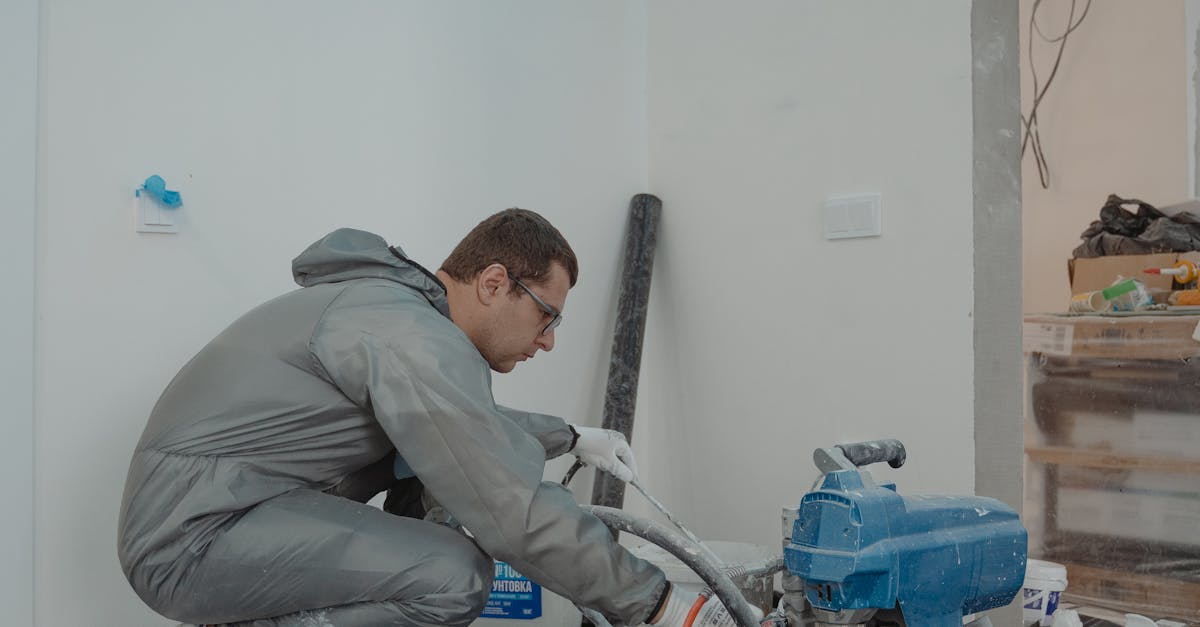
Using Vacuum Extraction Techniques for Effective Mould Clearance
Table Of Contents
Steps to Implement Vacuum Extraction
Vacuum extraction is a systematic process that begins with assessing the affected area. Identify all mould-infested surfaces and ensure proper safety precautions are taken. This includes wearing personal protective equipment such as gloves, masks, and goggles to mitigate health risks. Once the scope is defined, move on to preparation; ensure the area is well-ventilated and seal any gaps to prevent mould spores from spreading during the extraction process.
After preparing the site, select appropriate vacuum equipment specifically designed for mould removal. This equipment should have a HEPA filter to trap tiny spores effectively. Begin by using the vacuum on the most severely affected areas before moving to less impacted sections. Maintain a steady, slow pace to allow the vacuum to capture as many spores as possible. Regularly check and replace the filters as needed to ensure optimal performance throughout the mould clearance operation.
A Detailed Process Guide
Beginning with the preparation phase is essential for effective mould clearance. Ensure the affected area is well-ventilated and free of moisture. Remove any furniture or personal items to avoid damage and facilitate access. Once the space is clear, inspect the surfaces for visible mould growth. Identify the extent of the contamination as this will dictate the level of response necessary.
Next, it is crucial to set up the vacuum extraction equipment correctly. Select a vacuum designed specifically for mould removal, equipped with HEPA filters to trap microscopic spores. Position the vacuum near the source of the mould while ensuring it is easily accessible for manoeuvring. Begin the extraction process by slowly and methodically vacuuming the contaminated surfaces. Pay attention to crevices and corners where mould often hides. Regularly check and change filters as needed to maintain the efficiency of the operation.
Common Mistakes in Mould Clearance
Many individuals overlook the importance of thorough preparation before beginning the mould clearance process. Failing to properly assess the extent of the mould infestation can lead to ineffective removal and recurring problems. Inadequate ventilation during the clearance can worsen the situation, allowing spores to spread. Ignoring personal protective equipment is another common mistake, as it can expose workers to harmful pollutants and health risks.
Another frequent pitfall is using inappropriate cleaning solutions or methods. Employing harsh chemicals without understanding their effects may damage surfaces and compromise indoor air quality. Relying solely on surface cleaning often neglects underlying issues, allowing mould to return. Ensuring all affected materials are identified and dealt with is crucial; simply treating visible mould without addressing the source will not solve the problem in the long term.
Avoiding Pitfalls with Vacuum Techniques
Utilising vacuum extraction techniques requires careful attention to detail to maximise efficiency. One common error is failing to assess the extent of the mould before beginning the clearance process. Comprehensive evaluation helps determine the right vacuum power and technique for effective results. Additionally, operators should ensure that the equipment is in good condition. Regular maintenance and checks can prevent unexpected failures during a job.
Another frequently encountered issue is improper sealing of the work area. Inadequate sealing can allow spores to escape, undermining the purpose of the extraction. It is crucial to use high-quality barriers to contain the mould spores within the vacuum environment. Moreover, operators should receive proper training in the use of equipment. Knowledge of best practices promotes safety and enhances overall effectiveness in eliminating mould.
Comparing Vacuum Extraction to Other Methods
Vacuum extraction stands out as an effective approach in mould clearance when compared to traditional methods such as chemical treatments or manual scrubbing. The use of vacuum extraction minimises the spread of spores during the cleaning process. This technique focuses on removing mould directly from surfaces without agitating the debris, reducing the chances of inhalation or contamination of other areas. Traditional methods often involve harsher chemicals, which can pose health risks to individuals and may not guarantee complete mould removal.
Furthermore, vacuum extraction allows for the efficient collection of mould spores and materials, ensuring that these contaminants are contained rather than dispersed into the air. Unlike chemical treatments that can leave residues and may require additional clean-up, vacuum methods typically result in a cleaner, more controlled environment post-removal. This effectiveness in both removal and containment makes vacuum extraction a preferred option for professionals dealing with mould issues.
Advantages Over Traditional Approaches
Vacuum extraction techniques offer significant benefits compared to traditional methods of mould clearance. One major advantage is their efficiency in removing both visible mould and the spores that can trigger health issues. The vacuum systems designed for this purpose are equipped with high-efficiency particulate air (HEPA) filters, which capture even the smallest particles. This not only helps in cleaning the affected areas more effectively but also ensures that the mould does not resettle and multiply.
Another notable difference lies in the minimisation of disruption during the mould clearance process. Conventional methods often involve scrubbing and chemical applications that can release more spores into the air. In contrast, vacuum extraction allows for a more contained approach, reducing the risk of cross-contamination throughout the environment. This results in a cleaner and safer space for occupants, making vacuum techniques a preferred choice for those seeking thorough and effective mould remediation.
FAQS
What is vacuum extraction in mould clearance?
Vacuum extraction is a method that uses powerful suction to remove mould from surfaces and materials, helping to clear contaminated areas effectively while minimising the spread of spores.
How do I implement vacuum extraction for mould clearance?
To implement vacuum extraction, follow a systematic process that includes preparing the area, using appropriate equipment, ensuring safety protocols, and properly disposing of the extracted mould waste.
What are the common mistakes made during mould clearance?
Common mistakes include not adequately sealing the area, failing to use appropriate personal protective equipment (PPE), and not following proper disposal procedures for mould waste.
How does vacuum extraction compare to traditional mould removal methods?
Vacuum extraction offers several advantages over traditional methods, including more effective removal of mould spores, reduced risk of cross-contamination, and less disruption to the environment.
Are there specific safety precautions I should take when using vacuum extraction techniques?
Yes, it is essential to wear appropriate PPE, ensure proper ventilation in the work area, and follow safe disposal protocols for any contaminated materials collected during the extraction process.
Related Links
The Role of Manual Scrubbing in Physical Mould RemovalThe Importance of Protective Gear in Physical Mould Removal
Assessing the Efficacy of Steam Cleaning in Mould Mitigation
Innovations in Physical Mould Removal Equipment and Tools
Implementing Sanding Techniques to Eliminate Surface Mould