DIY Mould Prevention: Tips for the Proactive Homeowner
Table Of Contents
Cleaning and Disinfecting Surfaces
Maintaining clean and disinfected surfaces is essential in preventing mould growth within the home. Regular cleaning routines should incorporate a suitable disinfectant that is effective against mould spores. Pay particular attention to high-moisture areas such as bathrooms, kitchens, and laundry rooms. These places often provide an ideal environment for mould to thrive due to the humidity and organic material present.
Using natural cleaning solutions can also be beneficial. Vinegar and baking soda are popular choices, both being safe and effective in inhibiting mould growth. Ensure that after cleaning, the surfaces are thoroughly dried, as leftover moisture can encourage the return of mould. Additionally, keeping surfaces clutter-free allows for better airflow and reduces damp areas where mould can settle.
Best Practices for Mould Removal
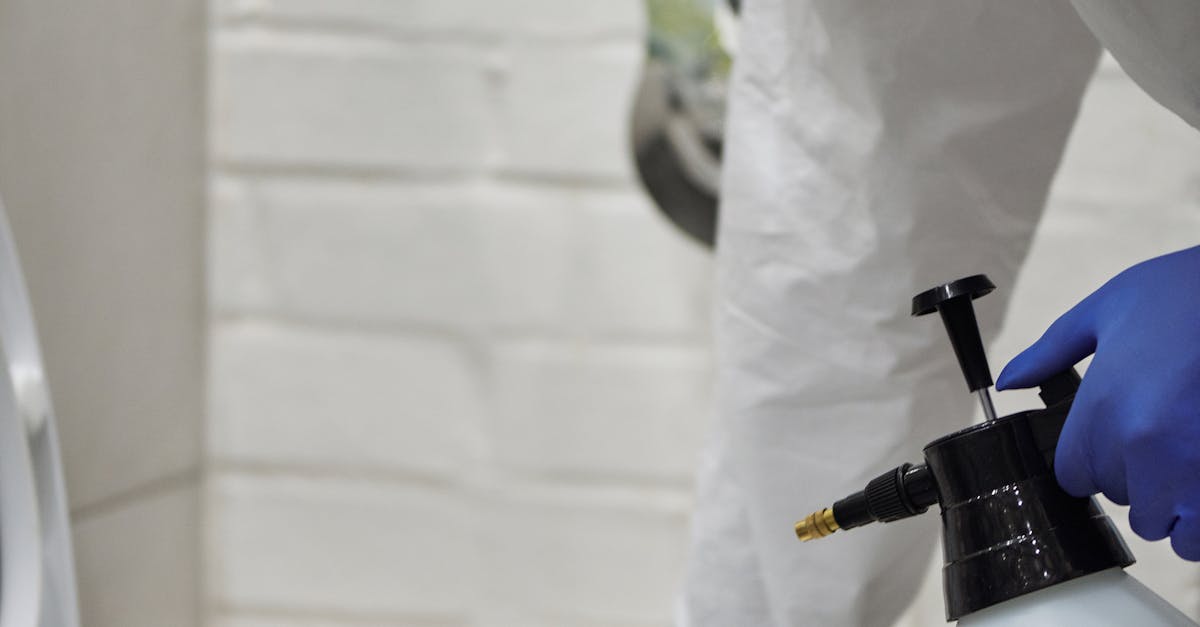
Effective mould removal begins with safety precautions. Before starting the cleaning process, it is essential to wear personal protective equipment, such as gloves and a mask. This helps minimise exposure to mould spores, which can be harmful if inhaled or in contact with the skin. Ensure good ventilation in the area by opening windows and using fans to disperse mould spores during cleaning.
Various methods exist for treating mould-affected surfaces. For non-porous materials like tiles and glass, a mixture of water and detergent can effectively remove mould. For porous surfaces such as wood or drywall, a solution of vinegar or bleach may be necessary, although care should be taken to test these solutions on a small, inconspicuous area first. After treatment, it is crucial to thoroughly dry the area to prevent future mould growth. Regular follow-up inspections can help identify any recurring issues before they escalate.
Choosing Mould-Resistant Materials
When selecting materials for construction or renovation, opting for mould-resistant options can significantly reduce the risk of growth in damp areas. Products such as treated wood and moisture-resistant drywall are specifically designed to withstand humidity and prevent mould from taking hold. Additionally, choosing paint with antimicrobial properties adds an extra layer of protection, making it less likely for mould spores to colonise on surfaces.
In areas prone to moisture, such as bathrooms and kitchens, using tiles or vinyl flooring can also be beneficial. These materials are not only easier to clean but are less susceptible to water damage, unlike traditional carpets or wood. Incorporating mould-resistant insulation and keeping ventilation in mind can further enhance the effectiveness of these materials in combating mould growth.
Building and Renovating with Mould Prevention in Mind
Design choices play a crucial role in mould prevention during construction and renovation projects. Opting for materials that resist moisture can significantly reduce the likelihood of mould growth. Products such as mould-resistant drywall, treated wood, and moisture-resistant paints create protective barriers against dampness. Additionally, incorporating proper ventilation systems and airflow management ensures that humidity levels remain regulated.
Planning layout carefully can also help minimise mould risk. Ensuring that areas prone to moisture, like bathrooms and kitchens, are designed with adequate drainage and airflow is essential. Installing exhaust fans can assist in removing excess moisture, while strategic placement of windows allows for natural ventilation. Such proactive measures during the building phase lay a solid foundation for a dry and healthy living environment.
Regular Home Maintenance
Routine upkeep is essential in fighting mould growth within the home. Regularly inspecting areas prone to dampness, like bathrooms and kitchens, helps identify any potential issues early. Ensuring that leaks are promptly addressed is crucial. Keeping gutters clean prevents water accumulation that can lead to unnecessary moisture in and around the home.
In addition to checking for leaks, homeowners should also clean and maintain air conditioning units and exhaust fans. These appliances can accumulate moisture and promote mould growth if not properly maintained. Periodic cleaning of carpets, upholstery, and the areas behind appliances is also vital. Saving time now by implementing these maintenance habits can lead to a healthier living environment.
Checklists for Proactive Homeowners
A thorough checklist can help homeowners maintain a mould-free environment effectively. Start by regularly inspecting areas prone to dampness such as basements, bathrooms, and kitchens. Look for water leaks in pipes and ensure vents are functioning properly. Ensure that appliances such as dehumidifiers are well-maintained to control humidity levels. Additionally, check for any signs of mould growth, especially in hidden corners or behind furnishings.
Regular cleaning routines should be a priority. Adopt a habit of wiping down surfaces with mildew-resistant cleaners. Pay extra attention to areas like shower curtains and window sills where moisture often accumulates. Create a seasonally adjusted schedule for cleaning gutters and ensuring good drainage around the property. Staying vigilant about any moisture-related issues can help you stay ahead of potential mould problems.
FAQS
What are the best practices for cleaning and disinfecting surfaces to prevent mould?
To effectively clean and disinfect surfaces, use a mixture of water and vinegar or a commercial mould removal product. Ensure surfaces are thoroughly dried after cleaning, as moisture can promote mould growth. Regularly wipe down areas prone to dampness, such as bathrooms and kitchens.
How can I choose mould-resistant materials for my home?
When selecting materials, look for products specifically labelled as mould-resistant, such as mould-resistant paint, drywall, and insulation. Additionally, consider materials like tile or treated wood for areas that are frequently exposed to moisture.
What steps can I take during building and renovating to prevent mould?
Ensure proper ventilation in your home, especially in areas like bathrooms and kitchens. Use vapour barriers in areas prone to moisture and choose mould-resistant materials. Additionally, ensure that your roof and plumbing are leak-free to prevent water intrusion.
How often should I perform regular home maintenance to prevent mould?
It is advisable to conduct regular home maintenance checks at least twice a year. This includes inspecting for leaks, ensuring proper drainage around the foundation, and checking for signs of mould in areas with high humidity.
What are some key items to include in my mould prevention checklist?
Your mould prevention checklist should include checking for leaks in plumbing, ensuring proper ventilation, inspecting roofs and gutters, monitoring humidity levels, and regularly cleaning and disinfecting areas prone to moisture.
Related Links
Mould Education Workshops: Empowering the Gold Coast CommunityAddressing Mould Concerns During Real Estate Transactions
The Importance of Regular Inspections for Mould Prevention
Sharing Success Stories: Local Homeowners Who Battled Mould
Practical Strategies for Homeowners to Combat Mould Formation
The Role of Local Climate in Mould Risks: A Guide for Gold Coast Residents
Common Misconceptions About Mould and Home Safety
Understanding Mould Growth: Essential Knowledge for Homeowners