Practical Strategies for Homeowners to Combat Mould Formation
Table Of Contents
Regular Cleaning and Maintenance
Maintaining a clean and tidy home is essential for minimising mould risk. Regularly dusting surfaces and vacuuming carpets helps to remove the organic materials that mould thrives on. Attention should be given to hidden areas, such as behind furniture and in corners, where dust can accumulate. Routine inspections of areas prone to dampness, such as bathrooms and kitchens, can help identify problems before they escalate.
Proper ventilation is another critical aspect of maintenance. Opening windows and using exhaust fans during and after activities that generate moisture, like cooking or showering, can help reduce humidity levels. Keeping gutters clean and ensuring that the property’s drainage system functions effectively will also prevent water from pooling in unwanted areas. These small, systematic actions can significantly contribute to a mould-free environment.
Best Practices for Mould Prevention
Maintaining low humidity within the home is crucial in preventing mould growth. Homeowners should aim to keep indoor humidity levels below 50%. Using dehumidifiers in areas prone to moisture, such as basements and bathrooms, can help achieve this target. Ensuring proper ventilation in high-moisture areas is equally important. Opening windows while showering or using exhaust fans can significantly reduce humidity levels, helping to create an environment less conducive to mould development.
Regular inspections of household plumbing and roofing can also play a preventative role. Homeowners should check for leaks and water damage, addressing any issues promptly to avoid exacerbating the situation. It is advisable to maintain good airflow around furniture and avoid overcrowding spaces. Keeping air circulating can prevent damp spots that may lead to mould formation. Additionally, ensuring that gutters and downpipes are clear of blockages will prevent water from pooling and contributing to moisture issues.
Using Mould-Resistant Products
Investing in mould-resistant products can significantly reduce the risk of mould growth in a home. These products are designed to inhibit the development of mould spores on various surfaces. For example, mould-resistant paints contain antimicrobial agents that deter mould from forming over painted walls and ceilings. Additionally, applying mould-resistant sealants on porous surfaces can create a barrier that prevents moisture infiltration, which is a key factor in mould growth.
Homeowners should also consider materials specifically engineered for moisture-prone areas, such as bathrooms and kitchens. Using mould-resistant drywall and insulation can provide better protection against water damage and subsequent mould issues. Furthermore, selecting mould-resistant fabrics and furnishings can improve indoor air quality and enhance overall home health. Adopting these products in routine home maintenance can lead to a more resilient living environment.
Recommended Materials for Homeowners
Choosing the right materials can significantly enhance a home's resistance to mould. Mould-resistant paints, for example, contain biocides that inhibit mould growth on walls and ceilings. Opting for these paints in high-humidity areas, such as kitchens and bathrooms, can help maintain a healthier environment. Additionally, moisture-resistant wallboard is essential for places prone to wetness. This product is designed to withstand damp conditions, reducing the likelihood of mould formation.
When selecting flooring options, consider using vinyl or ceramic tiles in moisture-rich areas. These materials do not absorb water and are easy to clean, making them ideal for bathrooms and laundry rooms. For carpeting, look for those treated with mould inhibitors if it must be installed in more humid spaces. Choosing furniture made from materials that resist moisture can also play a role in preventing mould, ensuring long-lasting comfort and safety in your living spaces.
Effective Mould Removal Techniques
When tackling mould, it's crucial to select the right technique for effective removal. For smaller patches, mixtures of water and vinegar or baking soda can serve as excellent natural solutions. These substances inhibit mould growth without introducing harsh chemicals. For more extensive infestations, commercially available mould removal products can prove beneficial. Always follow the manufacturer's instructions and ensure proper ventilation to reduce exposure to strong fumes.
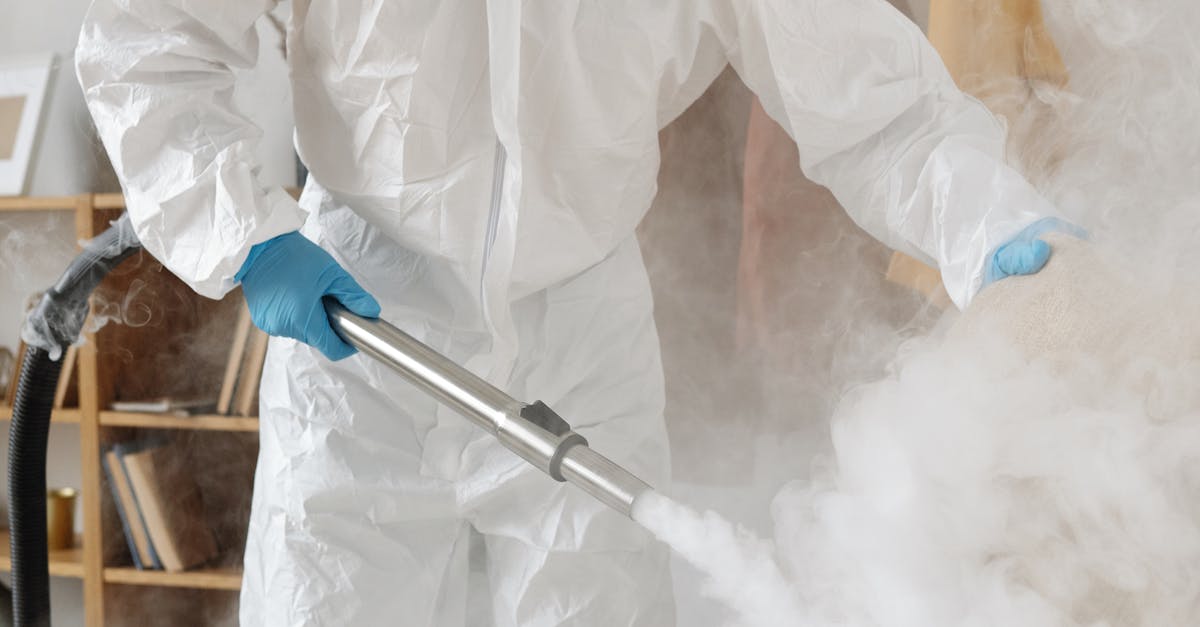
Protective gear is essential when dealing with mould to create a safe environment. Wearing gloves, masks, and goggles can prevent skin irritation and respiratory issues. It is important to work methodically, cleaning from the top down to ensure that any spores dislodged during the process do not settle on already cleaned areas. After mould removal, thorough drying is vital to prevent recurrence.
Safe Methods for Eliminating Mould
When tackling mould, safety should be a priority. Begin the removal process by ensuring the area is well-ventilated. Open windows and doors to allow fresh air to circulate. Wear protective gear, including gloves, goggles, and a mask, to minimise exposure to spores. Tackling smaller areas can often be accomplished with common household materials. A mixture of vinegar and water effectively tackles mould on surfaces without the harsh chemicals found in some commercial products.
For more stubborn mould, a combination of baking soda and water can create a paste that adheres to surfaces, making it easier to scrub away. For porous materials like wood or drywall, it may be wise to replace affected sections rather than attempting to remove the mould entirely. After cleaning, ensure that the area is dried thoroughly to prevent mould from returning. Regular checks can help catch any resurgence early, allowing for prompt action.
FAQS
What are the main causes of mould formation in homes?
Mould formation in homes is primarily caused by excessive moisture, poor ventilation, and inadequate cleaning. Common sources of moisture include leaks, humidity, and condensation.
How often should I clean areas prone to mould?
It is advisable to clean areas prone to mould, such as bathrooms and kitchens, at least once a week. Regular cleaning helps to reduce moisture accumulation and prevent mould growth.
What mould-resistant products should I use in my home?
Look for mould-resistant paints, sealants, and materials such as drywall and insulation that are specifically designed to inhibit mould growth. These products can help reduce the risk of mould in moisture-prone areas.
What are some effective methods for removing mould from surfaces?
Effective mould removal methods include using a mixture of water and vinegar, baking soda, or commercial mould removers. Always ensure proper ventilation and wear protective gear when cleaning mould.
How can I prevent mould in my home during humid weather?
To prevent mould during humid weather, use dehumidifiers, ensure proper ventilation, and regularly check for leaks. Installing exhaust fans in bathrooms and kitchens can also help reduce moisture levels.
Related Links
Addressing Mould Concerns During Real Estate TransactionsThe Role of Local Climate in Mould Risks: A Guide for Gold Coast Residents
The Importance of Regular Inspections for Mould Prevention
Sharing Success Stories: Local Homeowners Who Battled Mould
Mould Education Workshops: Empowering the Gold Coast Community
DIY Mould Prevention: Tips for the Proactive Homeowner