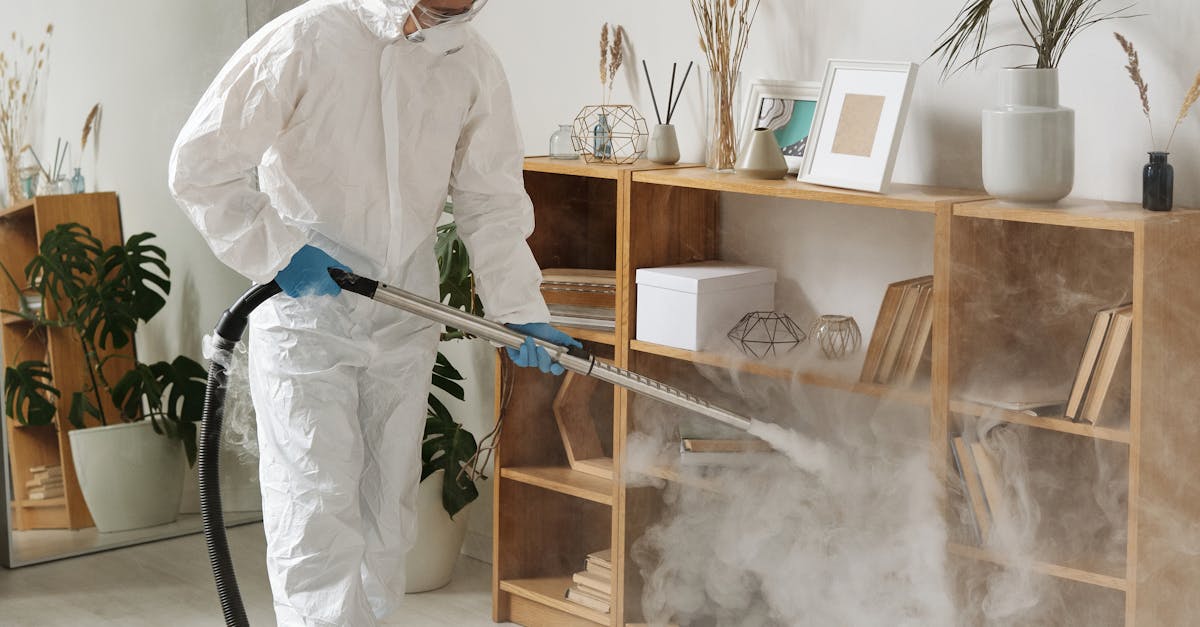
Sharing Success Stories: Local Homeowners Who Battled Mould
Table Of Contents
Preventing Mould Growth in Your Home
Mould thrives in damp and poorly ventilated spaces. Homeowners should prioritise moisture control by identifying and addressing areas susceptible to mould growth. Regularly checking for leaks in roofs, pipes, and windows can prevent water accumulation. Proper insulation and ventilation in areas like bathrooms and kitchens also deter mould, ensuring that humidity levels remain in check.
Implementing effective cleaning routines can further diminish the risk of mould. Using materials designed to resist mould in susceptible areas, such as waterproof paints and mould-resistant drywall, offers an added layer of protection. Keeping surfaces dry and promptly attending to any spills or dampness is crucial. With consistent maintenance and attention, homeowners can create an environment that is less conducive to mould development.
Best Practices for Moisture Control
Controlling moisture levels is crucial in preventing mould growth in homes. Homeowners should regularly check for leaks in pipes, roofs, and windows. Ensuring proper ventilation in areas prone to humidity, such as bathrooms and kitchens, can significantly reduce dampness. Using exhaust fans during and after activities that generate moisture, like cooking or showering, helps maintain a dry atmosphere. Additionally, keeping indoor humidity levels between 30 and 50 per cent further combats mould proliferation.
Utilising dehumidifiers in particularly moist areas can offer an effective solution for moisture control. Regularly cleaning gutters and downspouts ensures that water is directed away from the house, reducing the risk of leaks and subsequent dampness. Homeowners can also consider using mould-resistant products when renovating or repairing, as these can provide an added layer of protection. Monitoring indoor humidity levels with a hygrometer can aid in maintaining an environment that is less conducive to mould growth.
Homeowners' Testimonials
Many homeowners have faced the relentless challenge of mould in their living spaces, often resulting in emotional distress and financial strain. One resident, Sarah from Toowoomba, detailed her journey of discovery when she found mould creeping up her walls. She described the initial shock and panic, soon followed by determination. By implementing a thorough cleaning regimen and seeking professional help, she transformed her home into a healthier environment.
Another homeowner, Jason from Melbourne, shared a different perspective. He emphasised the importance of proactive measures in mould prevention. After experiencing significant mould issues after heavy rains, he invested in better ventilation and moisture barriers. Jason noted the improvements in air quality and his family's overall health. His experience illustrates how a combination of vigilance and community resources can foster success in the battle against mould.
Personal Experiences and Successful Outcomes
Many homeowners have faced the daunting challenge of mould infestations, sharing stories of their relentless battles. One resident in suburban Sydney discovered extensive mould growth behind her kitchen cabinets. After initial panic, she embarked on a thorough investigation and received assistance from a local mould remediation expert. The expert guided her through the cleaning process, using effective products that not only eliminated the mould but also helped prevent future outbreaks.
Another family recounted their experience in Brisbane, where humidity levels soared during the summer months. They recognised early signs of mould and took immediate action by installing a dehumidifier and improving ventilation throughout their home. By actively monitoring their indoor environment and making consistent adjustments, they successfully eradicated the problem. Their proactive approach serves as a reminder of the importance of vigilance and timely intervention when it comes to mould management.
The Role of Community Support in Mould Management
Community support plays a crucial role in empowering homeowners to tackle mould issues effectively. Local councils often organise workshops and information sessions that educate residents on prevention strategies and mould remediation techniques. These initiatives foster partnerships among homeowners, encouraging them to share resources and experiences. Networking can lead to the establishment of neighbourhood support groups dedicated to addressing mould challenges collectively.
Additionally, community engagement can be pivotal in raising awareness about the broader environmental conditions contributing to mould growth. Residents collaborate to improve drainage systems and address humidity levels in public spaces. When community members work together, they create a stronger foundation for effective mould management, ultimately benefiting the entire neighbourhood. The shared knowledge and collective action contribute to a healthier living environment for all.
Local Initiatives Helping Homeowners
In recent years, several community-driven initiatives have emerged to assist homeowners in addressing mould issues. Local councils have implemented programs that provide free workshops, offering valuable information on moisture control and home maintenance. These sessions empower residents with knowledge about preventative measures and the signs of mould growth, fostering a proactive approach to home care.
Additionally, community organisations often collaborate with health departments to distribute resources on mould management. Homeowners can access pamphlets, online tools, and even consultation services. These resources encourage residents to take action before problems escalate, promoting healthier living environments and enhancing overall community wellbeing.
FAQS
What are the most effective ways to prevent mould growth in my home?
The most effective ways to prevent mould growth include maintaining proper ventilation, controlling humidity levels, fixing leaks promptly, and keeping surfaces dry. Regularly inspecting areas prone to moisture, like bathrooms and kitchens, can also help mitigate mould risk.
How can I manage moisture levels in my home?
Managing moisture levels can be achieved through best practices such as using dehumidifiers, ensuring adequate airflow with fans or open windows, and using exhaust fans when cooking or showering. It's also important to avoid drying clothes indoors in humid conditions.
Can community support really make a difference in battling mould?
Yes, community support can significantly enhance mould management efforts. Local initiatives, such as workshops and support groups, provide homeowners with resources, shared experiences, and guidance, which can lead to successful mould remediation and prevention strategies.
What types of local initiatives are available to assist homeowners with mould issues?
Local initiatives may include educational programs, community clean-up days, and partnerships with health professionals or environmental organisations. These initiatives often offer resources, tools, and advice to help homeowners tackle mould challenges effectively.
Where can I find testimonials from other homeowners who have overcome mould challenges?
Homeowners' testimonials can often be found in community forums, local support groups, and online platforms dedicated to home improvement or health issues. Many local councils also share success stories through their websites or newsletters to inspire and educate other residents.
Related Links
The Importance of Regular Inspections for Mould PreventionMould Education Workshops: Empowering the Gold Coast Community
DIY Mould Prevention: Tips for the Proactive Homeowner
Addressing Mould Concerns During Real Estate Transactions
Practical Strategies for Homeowners to Combat Mould Formation
The Role of Local Climate in Mould Risks: A Guide for Gold Coast Residents
Common Misconceptions About Mould and Home Safety
Understanding Mould Growth: Essential Knowledge for Homeowners